Educational play is an exciting way for kids to learn without even realizing it! When children engage in play that has a learning element, they’re more likely to absorb new information. This kind of learning happens naturally through exploration, creativity, and imagination.
One of the biggest benefits of educational play is that it fosters important skills. For instance, games that involve building or problem-solving can help kids develop critical thinking skills. They also learn to work as a team when playing with others, which boosts their social skills and cooperation.
Additionally, educational play supports emotional growth. Kids often express their feelings during role-play or storytelling activities. This helps them understand their own emotions and those of others, making them more empathetic as they grow. Plus, it gives them a safe space to explore various scenarios and outcomes.
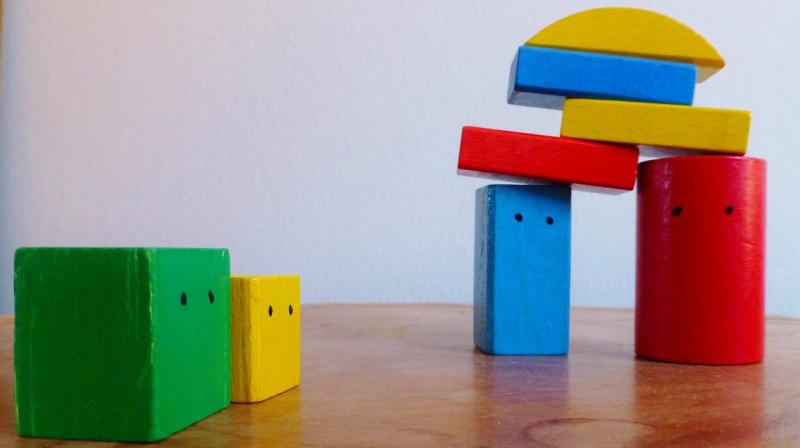
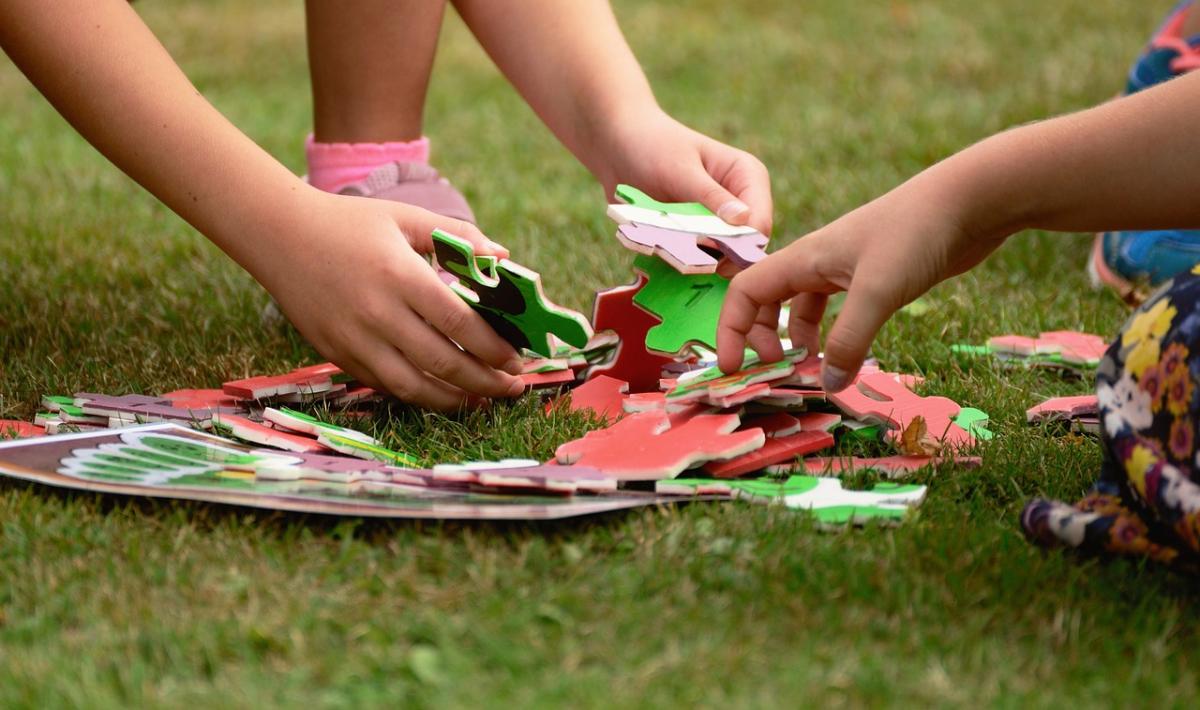
Lastly, educational play can make learning enjoyable, keeping kids engaged for longer periods. When kids have fun, they're more likely to remember what they’ve learned. Using toys, games, and interactive experiences can spark a lifelong love of learning. So, whether it's through puzzles, building blocks, or educational apps, play is a powerful tool for growth!
Choosing the Right Toys for Learning
When it comes to picking toys that promote learning, it can feel a bit overwhelming. With so many options out there, how do you choose what’s right for your child? Here are some friendly tips to help you make the best choice.
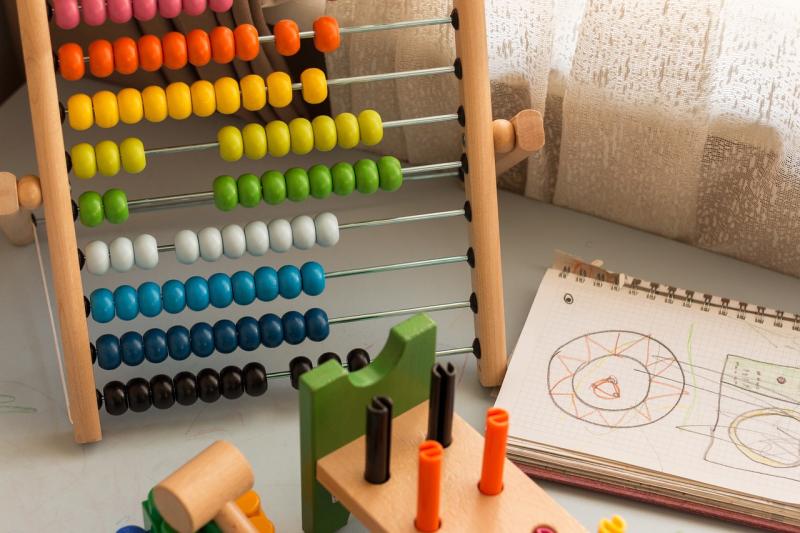
First, consider your child's age and interests. Babies might love colorful, textured blocks, while toddlers enjoy puzzles or interactive toys that make sounds. For older kids, look for games that teach math, science, or language skills. You know your kid best, so focus on what will catch their attention!
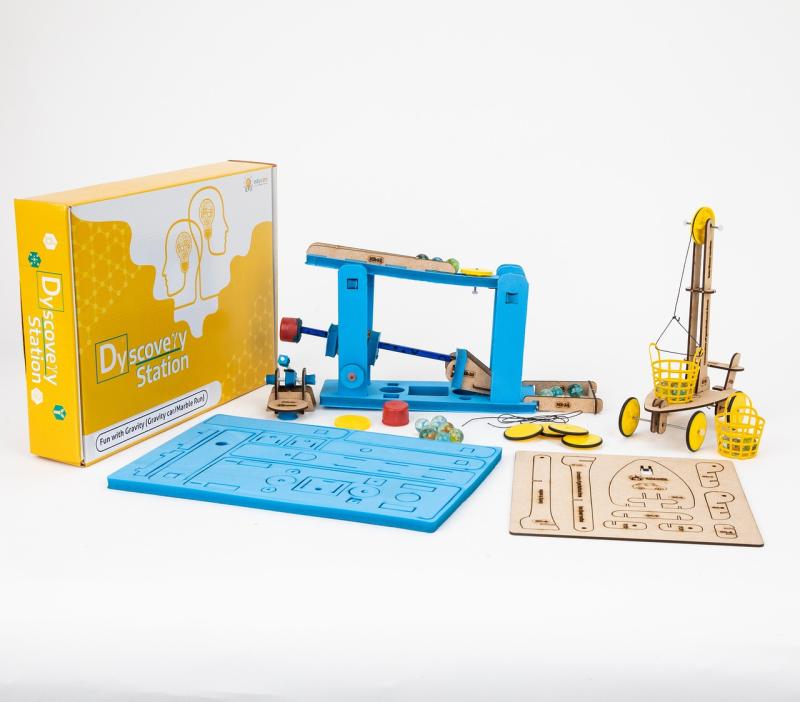
Next, think about the type of learning you want to encourage. Do you want to boost creativity? Go for arts and crafts kits or building sets. If you’re aiming for social skills, choose board games that involve teamwork. The right toy can turn playtime into a powerful learning experience without them even realizing it!
Don’t forget to check the materials and safety features. Always look for non-toxic options, especially for younger children who might be prone to putting toys in their mouths. It's crucial to ensure the toys are durable enough to withstand active play while being safe and easy to clean.
Lastly, an excellent way to discover new toys is through recommendations from other parents or educators. Online reviews can be treasure troves of insight! This way, you can find toys that have genuinely helped others and that your child will love too.
Fun Activities to Encourage Playful Learning
Getting kids to learn while having fun can be a total game changer! When playtime is mixed with learning, it not only boosts their understanding but also fuels their imagination. Here are some fun activities that can spark that playful learning and keep your little ones engaged.
These activities not only make learning enjoyable but also help children develop various skills—like problem-solving, communication, and collaboration. The more fun they have, the more they’ll want to learn!
Tips for Creating a Learning Space
Creating a learning space that encourages educational play can make a big difference in how kids engage with learning. Here are some friendly tips to help you set up an inviting area that sparks creativity and curiosity!
1. Choose the Right Location: Find a designated area in your home that’s quiet and free from distractions. It could be a corner in the living room, a spot in a cozy bedroom, or even a table in the kitchen. Just make sure it’s a space where your child feels comfortable and can focus.
2. Use Bright, Fun Decor: Add some playful touches to the space with colorful wall art or fun cushions. Consider including a chalkboard or whiteboard for doodling ideas and practicing writing. A warm and inviting atmosphere can boost enthusiasm for learning!
3. Organize Materials Easily: Use bins or shelves to hold toys, books, and learning tools. Keep everything accessible and organized so that your child can easily find what they need. When things are easy to reach, they’re more likely to dive right into play and learning.
4. Incorporate Playful Learning Tools: Think about including puzzles, building blocks, or educational games that promote problem-solving. These tools not only make learning fun but also encourage kids to explore and experiment. Rotate the materials regularly to keep the space fresh and exciting!